 0800 873 835
 New Zealand


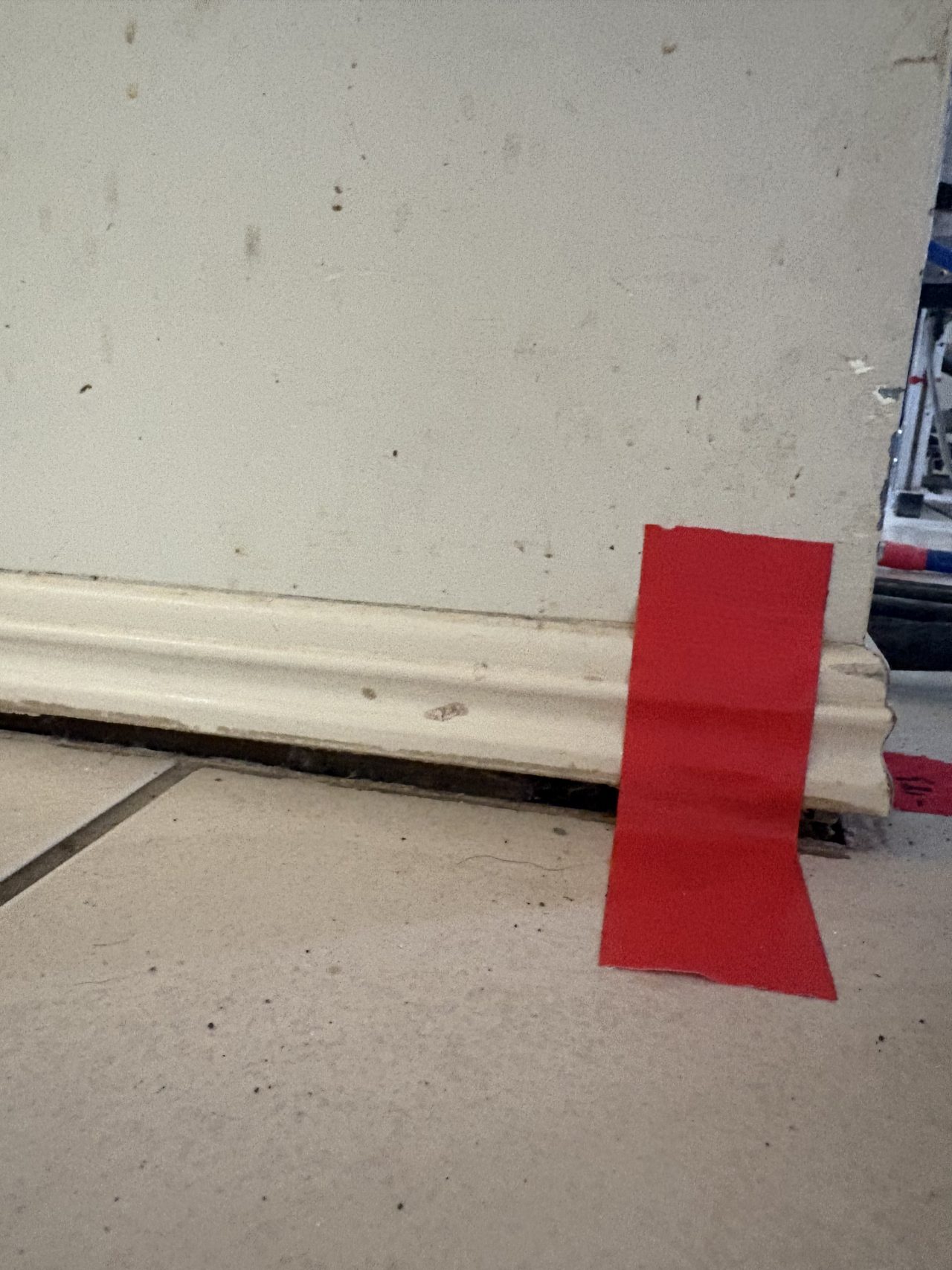
A sign of subsidence
What does a sinking floor or concrete slab repair mean?
Sinking concrete floors or slabs are an indication of building subsidence
If you notice gaps where your walls meet the floor, you might have a sinking or damaged foundation. Sinking concrete floors or slabs are a warning sign for serious and ongoing structural damage caused by subsidence.
Mainmark offers bespoke solutions for slab lifting and re-levelling. These solutions address subsidence issues by strengthening the ground beneath your home.
Our level correction methods can cater to any building size, from homes and driveways to warehouses and transport yards. These methods can be non-invasive, cost-effective, and time-efficient.
Before & After
Residential Sinking Floor & Slab
Our Teretek®Resin Injection technology can raise, re-level and re-support sinking floors and slabs.
Watch how our non-invasive, cost-effective technology raises and re-levels a sinking residential floor.

Internal Sinking Floors
Sinking Floors Inside Your Home
If you see signs that your floors are sinking, this could mean the entire structure of your home is also sinking. Sinking floors and concrete slabs indicate that pressure is being exerted on your home.
Over time, this pressure can lead to serious and ongoing structural issues. You may notice other signs in your home, such as wall cracks, cracks in your cornices and ceiling, jamming windows and doors, sloping floors and more.
Foundation re-levelling is essential to mitigating these structural issues from occurring, and to stop further structural damage.

External Sinking Slabs
Sinking Floors Outside Your Home
You may also notice sinking or gaps in concrete slabs outside your home, such as in your driveways, paths and patios. If these outdoor areas are experiencing sinking, it could also indicate deeper issues underground.
The risks outside can vary, but include damage to underground wiring or services, drainage breaks or leaks, and other safety hazards.
Re-levelling your concrete here is key to ensuring a safe, functioning, and aesthetic outdoor space.
Repair sinking floors caused by movement
Understanding Sinking Floors: Subsidence Causes and Factors
The issue of subsidence, especially in the context of sinking floors, stems from a multitude of causes and contributing factors. All of these share a common thread—a shift in the ground, resulting in soil movement.
Moreover, the impact varies depending on the type of ground involved. When the ground undergoes changes, building subsidence becomes a prevalent concern.
In such cases, foundations or footings lose their full support and begin to sink due to the weakened ground.
Expansive Soils
A contributing factor to sinking floors is irregular soil behaviour. For example, soils containing reactive clay can expand or contract throughout the year. Rainy seasons will lead to soil expansion from moisture, while contraction occurs in the warm, dry conditions of hotter months.
These fluctuations could be regular, or the soil may expand and contract unevenly. This causes stress to the foundations of your home, which could lead to internal and/or external wall cracks. This will be of particular concern as more parts of the country experience extreme weather events year on year.
Tree Roots
Neighbouring trees and shrubs absorb water using their roots causing movement in the soil as it soaks up moisture in the ground.
Poor Drainage
One major contributor to sinking floors is issues with drainage. Pipes left unconnected, broken drains and other leakages can mean water drains into the soil under your home. This erodes the soil over time, leading to ground instability.
The soil under your home could also suffer from aeration, or voids could form. This eventually leads to ground instability, which causes wall cracks.
House Extensions
Sinking floors can appear when the weight of your home increases beyond the foundation’s capacity. Wall extensions or other extra loads increase the weight of the house, as well as increasing the force exerted on the foundation and the soil it sits on.
As with soil expansion, uneven direction or distribution of this force can put stress on the structure. Wall cracks in this case might be the start of more serious issues.
Extreme or Seasonal Weather
Natural disasters such as flooding, drought and earthquakes affect soil moisture levels in particular clay resulting in excessive foundation movement.
Renovation or Construction
Vibration caused by nearby construction activity such as drilling or piling, or heavy road traffic causes soil particles to shift and settle, resulting in ground subsidence.
Expanding Materials
Expanding materials can also cause wall cracks. Some clay bricks expand as they age, increasing up to several millimetres per year in some cases. Concrete is another material that can contract or shift over time. These changes can cause wall cracks unless properly controlled.


Benefits
Mainmark’s Level Correction Methods Are:

Fast
Our technologies have fast curing times and treated areas can be used immediately or without the delays compared to traditional repair methods.

Environmentally Inert
Our technologies use an inert material that is non-toxic and does not leach into the environment or affect the treated area.

Non-Invasive
Our solutions are of surgical nature compared to traditional methods.

Cost-Effective
Compared to traditional methods, our solutions are more cost-effective.
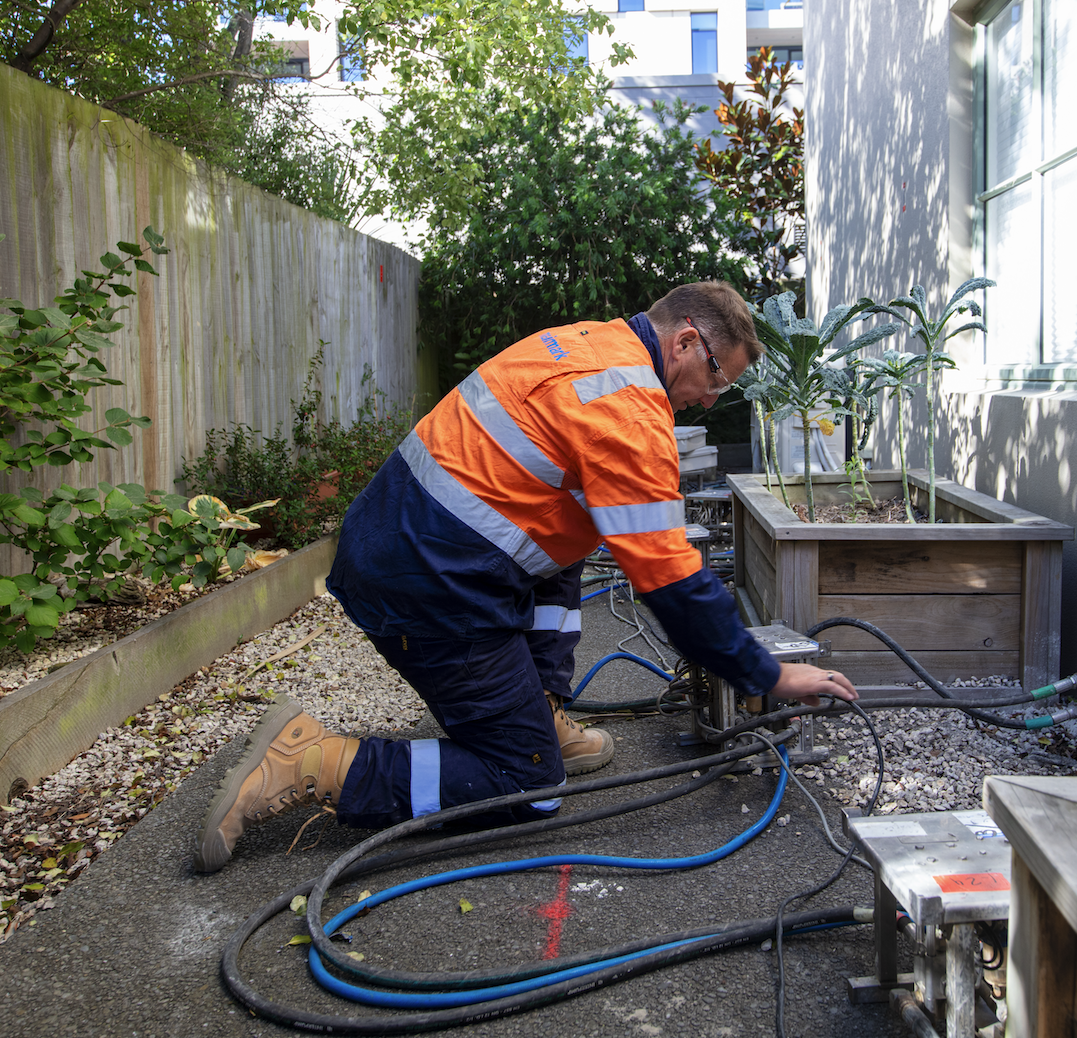
Trust The Experts
Mainmark provides an alternative to traditional underpinning.
Our non-invasive, engineered solutions improve the ground beneath existing buildings.
Ground improvement enables the foundations to carry greater loads. It also reduces how much settlement or moving happens across your house from season to season. Our Teretek or Permeation Grouting technologies can be used for ground improvement in suitable soils.
If your house has experienced sinking, our re-levelling solutions can raise your house back to level. We can also carry out ground improvement to mitigate further damage. Mainmark developed Teretek and JOG technologies, which are versatile and suitable for re-levelling both simple and complex structures.
Mainmark’s re-levelling and void filling technologies can also work alongside traditional underpinning. For example, you may need to widen the foundation or install piling. In some cases, your house may need to be re-leveled before installing these underpinning solutions.
Why Choose Mainmark
The Leaders in Foundation Repair
50 Year Product Warranty
Backed by a 50-year warranty and ongoing support you can trust.
Mainmark Google Reviews
Sinking Floor and Concrete Slab Repair FAQs for New Zealand Homeowners
Why are my floors or concrete slabs sinking?
Floors and concrete slabs can sink when the ground underneath weakens, settles, washes away or loses support. In New Zealand homes, this may be caused by poor drainage, leaking pipes, erosion, weak soils, seasonal moisture changes, seismic movement, voids beneath the slab or foundation settlement.
Are sinking floors a sign of foundation problems?
Yes, sinking floors can be a sign of foundation movement, especially if they appear with cracked walls, sloping floors, gaps around skirting boards, jammed doors or sticking windows. Not every uneven floor is structural, but several symptoms together can indicate subsidence or a sinking foundation beneath the home.
What does it mean if my concrete slab has dropped?
A dropped concrete slab usually means the ground below the slab has settled, eroded or lost strength. This can affect internal concrete floors, driveways, paths, patios, garage slabs or outdoor areas. If the slab is uneven, cracking or creating trip hazards, it should be assessed before the movement worsens.
Can sinking floors and sunken concrete slabs be lifted?
Slab lifting usually refers to raising sunken concrete, such as driveways, paths, patios, garage floors or concrete house slabs. Floor re-levelling focuses on correcting uneven floors inside the home. Both may involve treating weak ground beneath the surface so the affected area can be re-supported.
What is the difference between slab lifting and floor re-levelling?
Slab lifting usually refers to raising sunken concrete, such as driveways, paths, patios, garage floors or concrete house slabs. Floor re-levelling focuses on correcting uneven floors inside the home. Both may involve treating weak ground beneath the surface so the affected area can be re-supported.
Can resin injection repair sinking concrete floors?
Resin injection can help repair sinking concrete floors where the issue is caused by voids, weak ground or subsidence beneath the slab. The resin is injected through small holes, expands below the surface, fills gaps and helps re-support or lift the affected concrete back towards level.
Should I replace a sunken slab or lift it?
Replacement may be needed if the concrete is badly damaged, but many sunken slabs can be lifted instead. Slab lifting can be faster and less disruptive than removing and repouring concrete, especially when the main issue is loss of support beneath the slab rather than failure of the concrete itself.
How much does sinking floor or slab repair cost in New Zealand?
The cost depends on the size of the affected area, how far the floor or slab has moved, access, ground conditions and the repair method required. A site assessment is the best way to identify the cause of the settlement and receive a tailored repair recommendation and quote.
Who repairs sinking floors and concrete slabs near me in New Zealand?
Mainmark provides sinking floor repair, concrete slab lifting, floor re-levelling, foundation repair and house re-levelling solutions for homeowners across New Zealand. If you are searching for help with uneven floors, sunken concrete or slab settlement near you, Mainmark can assess the issue and recommend a site-specific repair approach.
Why choose Mainmark for sinking floor and slab repairs?
Mainmark is a specialist ground engineering company with New Zealand experience in sinking floors, sunken concrete slabs, foundation repair, resin injection and house re-levelling. Homeowners choose Mainmark for practical site assessments, non-invasive repair methods and solutions focused on treating the cause of movement, not just the visible uneven surface.
Get a quote
Arrange a site assessment in 3 simple steps:
Step 1
Submit your enquiry using our online form. Include a brief message about the type of foundation issues you are experiencing.
Step 2
Our friendly customer service team will be in touch to schedule a site assessment that suits you.
Step 3
One of the Mainmark experts will visit your home or property, assess the damage, and ascertain the likely cause. They will establish the approach needed, creating a plan specific to the needs of your building and provide you with a detailed quote.
"*" indicates required fields

© 2026 The Mainmark group of companies. ‘Mainmark®’, ‘Terefil®’, ‘Terefirm®’ and ‘Teretek®’ are trademarks of the Mainmark group of companies.
Mainmark Ground Engineering (NZ) Ltd


